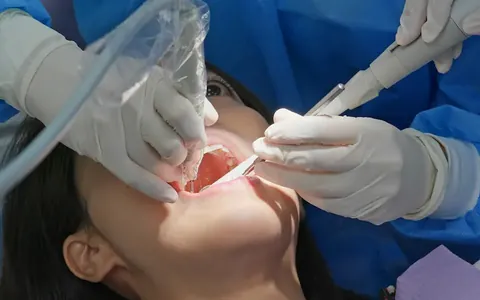


Hearing that you need a tooth pulled can feel intimidating. However, modern dentistry focuses heavily on patient comfort, making the process highly routine and painless. Removing a severely damaged or problematic tooth is often the best way to protect your overall oral health and prevent future complications. By reading this guide, you will learn exactly why these procedures are performed and how to ensure a smooth, comfortable healing process.
Common Reasons for Tooth Removal
Dentists always prefer to save your natural teeth whenever possible. Sometimes, a tooth is simply too damaged to repair with a filling or a crown. You might need a tooth extracted for a few common reasons:
- Severe Decay: When a cavity reaches the center of the tooth and destroys the pulp, an extraction may be the only way to relieve pain and halt the infection.
- Overcrowding: If you are preparing for orthodontic work, your jaw might not have enough room to properly align all your teeth.
- Wisdom Teeth: Third molars often become impacted or erupt at awkward angles, causing pain and threatening neighboring teeth.
- Advanced Gum Disease: Periodontal disease can loosen the bone and tissue supporting your teeth, requiring removal to maintain the health of your gums.
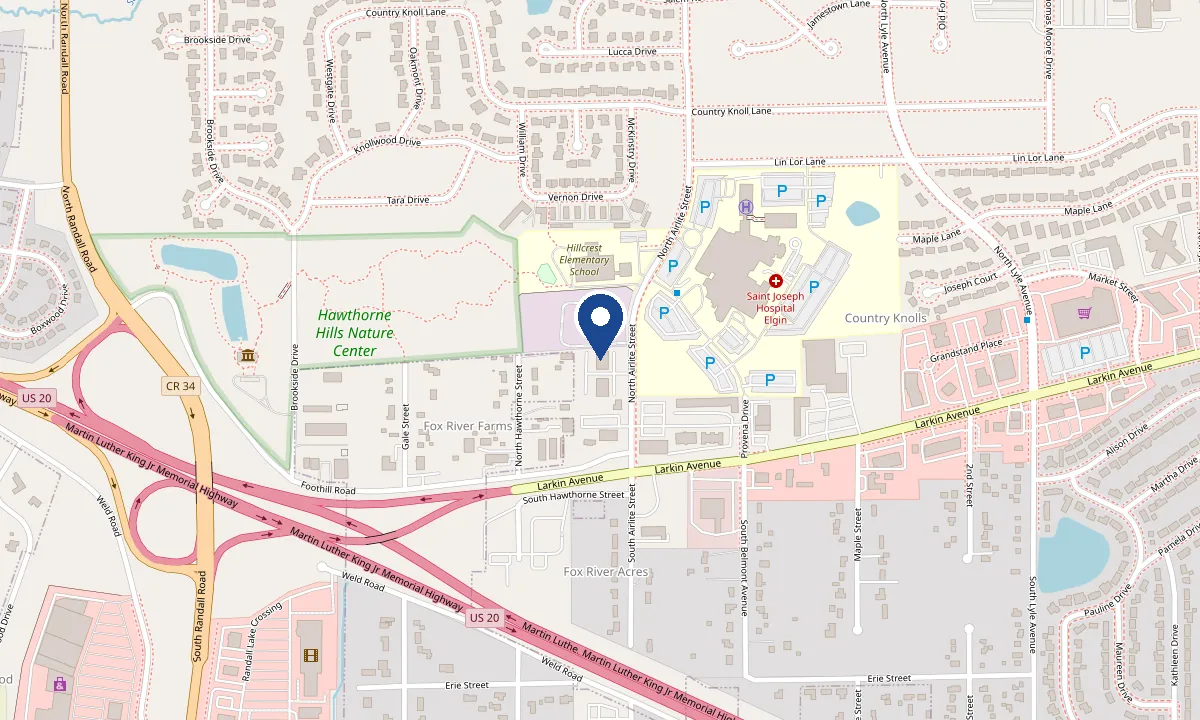
If you are experiencing severe dental pain in the Elgin area, the experienced team at Airlite Dental can evaluate your smile to determine whether an extraction is the safest and most effective option for you.
Recovery Tips After a Safe Tooth Extraction Procedure
After undergoing safe tooth extractions, taking proper care of the site is crucial. Your mouth needs time to heal and form a protective blood clot over the extraction area. Follow these basic guidelines to reduce discomfort and speed your recovery.
Manage Swelling and Discomfort
It is completely normal to experience mild swelling after your procedure. Apply an ice pack to the outside of your cheek for 10 to 15 minutes at a time during the first 24 hours. Your dentist will also recommend over-the-counter or prescribed pain relievers to keep you comfortable.
Adjust Your Diet
Stick to a soft diet for the first few days. Yogurt, applesauce, scrambled eggs, and mashed potatoes are excellent choices that require no chewing. As your mouth heals, you can gradually reintroduce solid foods into your daily meals.
Avoid Sucking Motions
Do not use a straw, smoke, or forcefully spit during your initial recovery period. The suction created in your mouth can dislodge the protective blood clot. Losing this clot leads to a painful condition known as dry socket. You can read more about dry socket prevention and post-procedure care on the American Dental Association website.
Maintain Good Oral Hygiene
Keep your mouth clean to prevent infection. After 24 hours, you can gently rinse your mouth with a warm saltwater solution. Continue brushing and flossing your other teeth, but be extremely careful to avoid the extraction site. The Mayo Clinic provides excellent, detailed resources on proper oral hygiene following dental surgery.
Take the Next Step Toward a Pain-Free Smile
Ignoring dental pain will only make the underlying problem worse. Safe tooth extractions provide immediate relief and protect your surrounding teeth from further damage or the spread of infection. You deserve to eat, speak, and smile with complete confidence and comfort.
Ready to get your oral health back on track? Book your appointment today to discuss your dental needs with a compassionate, experienced professional.
This article is for general information and is not a substitute for advice from your dentist. Request an appointment or call (847) 214-1324.