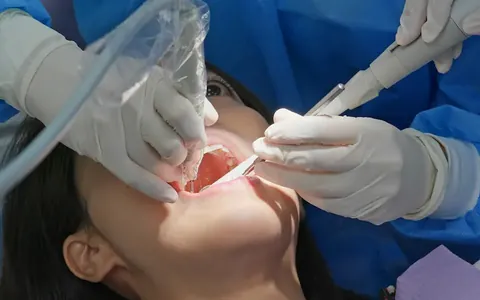

A sudden, sharp pain in your mouth can quickly derail your day. Whether you bit down on a hard piece of food or suffered an unexpected sports injury, dental trauma requires swift action. Ignoring the problem often leads to worsening pain, complex treatments, and higher costs down the road.
Knowing exactly when and how to seek emergency dental care for tooth pain can save your smile and protect your overall health. This guide covers the most common dental emergencies and explains the steps you should take before you reach the dentist’s chair.
Common Dental Emergencies and Fast Treatment Options
Severe Toothaches
Unbearable tooth pain is a clear signal that something is wrong beneath the surface. This discomfort could stem from deep decay, a cracked tooth, or a severe infection. Rinse your mouth with warm salt water and gently use dental floss to remove any trapped food particles. Do not place aspirin directly on the gums, as this can burn the tissue. Instead, take an over-the-counter pain reliever and contact your dentist immediately. The American Dental Association (ADA) provides excellent guidelines for safely managing sudden toothaches.
Knocked-Out Teeth
A knocked-out tooth is one of the most time-sensitive dental emergencies you can face. If you act quickly, a dentist can often re-implant the adult tooth. Pick it up by the crown (the chewing edge) and avoid touching the roots. Gently rinse it with water if it is dirty, but do not scrub it. Try to place the tooth back in its socket. If that proves difficult, keep the tooth moist by storing it in a small container of milk. Time is critical here, so seeking immediate emergency dental care gives you the best chance of saving the tooth.
Broken or Chipped Teeth
Accidents happen, and a fractured tooth leaves vulnerable nerves exposed to temperature changes and bacteria. Save any broken pieces if you can find them. Rinse your mouth with warm water and apply a cold compress to the outside of your cheek to minimize swelling. Getting to a professional quickly ensures they can assess the damage and discuss restoration options, such as bonding or crowns.
Abscesses and Infections
A dental abscess is a serious condition that requires immediate attention. These infections occur around the root of a tooth or in the space between the teeth and gums. Left untreated, the infection can spread to your jaw, neck, or even other parts of your body.
Symptoms include severe pain, fever, a foul taste in your mouth, and facial swelling. According to the Mayo Clinic, you must seek medical or dental help promptly if you experience these warning signs.
Protect Your Smile and Take Action
Dental emergencies are stressful, but acting swiftly can minimize damage and help you get back to feeling your best. Quick thinking at home combined with professional intervention is the ultimate recipe for recovery.
Dental emergencies can happen when you least expect them, causing pain, discomfort, and stress that can quickly disrupt your daily life. Whether you are dealing with severe tooth pain, a broken tooth, swelling, or a knocked-out tooth, seeking Emergency Dental Care as soon as possible is essential to protecting your oral health and preventing further complications. Acting quickly can often mean the difference between saving and losing a tooth.
While waiting for professional treatment, taking the right steps at home can help minimize discomfort and reduce damage. Rinsing your mouth with warm water, applying a cold compress to reduce swelling, and avoiding hard foods are all helpful temporary measures. However, home remedies are not a substitute for professional dental care. Prompt evaluation and treatment from an experienced dental team ensure the underlying issue is properly diagnosed and treated before it worsens.
If you find yourself facing urgent oral health problems, do not wait for the pain to subside on its own. Protect your teeth and restore your comfort by securing the right help. Ready to get your smile back on track? Book an appointment today to secure the immediate, expert care you deserve.
This article is for general information and is not a substitute for advice from your dentist. Request an appointment or call (847) 214-1324.