Missing a tooth can affect your confidence when you smile, speak, or eat. Fortunately, modern dentistry offers several reliable solutions to replace missing teeth and restore your mouth’s full function. One of the most popular and effective treatments is a dental bridge.
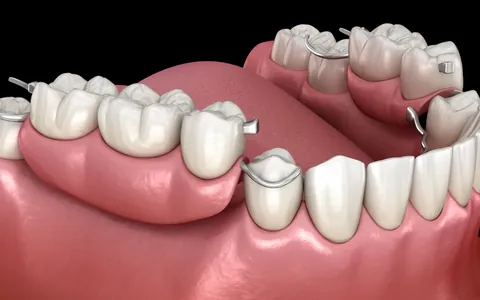
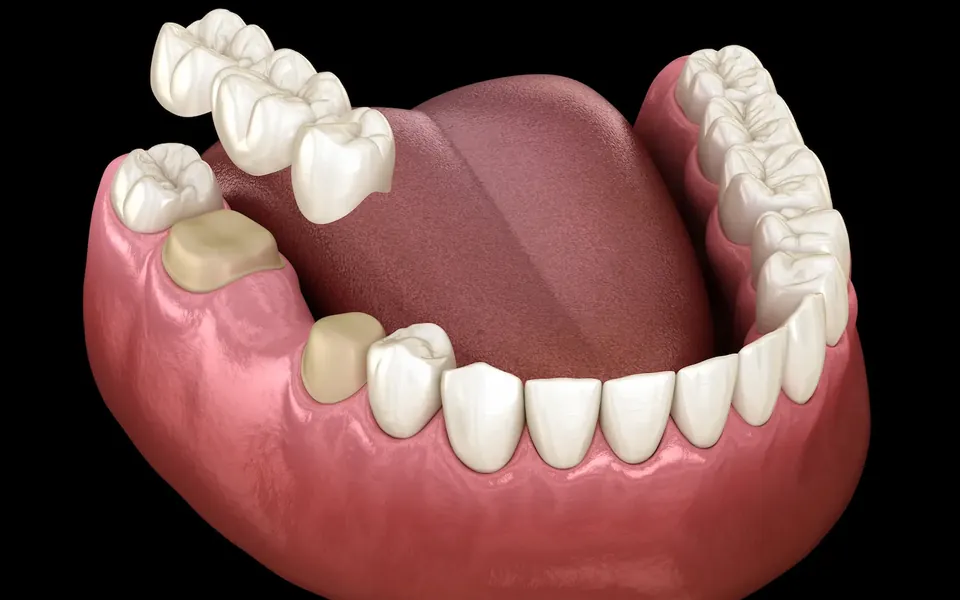
A dental bridge literally bridges the gap created by one or more missing teeth. It consists of two or more crowns for the teeth on either side of the gap, anchoring a false tooth in between. These artificial teeth look, feel, and function just like your natural teeth.
If you are considering this treatment to repair your smile, understanding how it works is the first step. This guide covers the essential details about dental bridges, from the different varieties available to practical advice for maintaining them over time.
Types of Dental Bridges and Their Benefits
Introduction to dental bridges
A dental bridge is a custom-made restoration designed to fill the space left by missing teeth. By relying on the support of neighboring healthy teeth or implants, bridges provide a stable and permanent solution. Dentists often construct these prosthetics from porcelain, gold, alloys, or a combination of these materials to ensure durability and a natural appearance. According to the American Dental Association, maintaining the alignment of your remaining teeth is crucial, and bridges successfully prevent your natural teeth from shifting out of position.
Different types of bridges
Not all smiles are the same, which means your dentist will recommend a specific style of bridge based on your unique oral health needs. The four main variations include:
- Traditional bridges: The most common variety, involving a false tooth held in place by dental crowns cemented onto the adjacent teeth.
- Cantilever bridges: Similar to a traditional bridge, but the false tooth is supported by a dental crown on only one side of the gap.
- Maryland bridges: These employ a metal or porcelain framework bonded to the backs of adjacent teeth, rather than using full crowns.
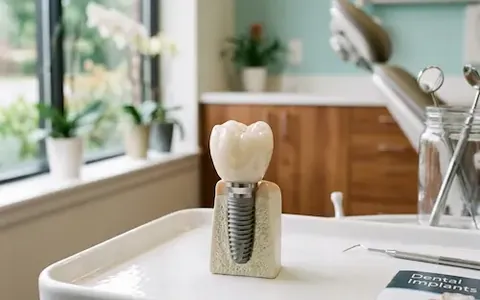
- Implant-supported bridges: Instead of relying on natural teeth, these use dental implants for support. This option is highly secure and is often recommended for replacing multiple missing teeth, a practice frequently detailed by medical institutions like the Mayo Clinic.
Key benefits for oral health and aesthetics
Replacing missing teeth does much more than improve the look of your smile. Dental bridges offer several significant health and functional advantages. They restore your ability to chew and speak properly, which can be difficult when teeth are absent. Furthermore, they help maintain the shape of your face by supporting your underlying jaw structure.
Leaving a gap in your smile can cause remaining teeth to drift out of alignment, leading to bite issues and jaw pain. A bridge secures those neighboring teeth, distributing the forces in your bite properly and protecting your overall oral health.
Costs and aftercare tips
The cost of a dental bridge varies widely depending on the type you choose, the materials used, and your geographic location. Fortunately, many dental insurance plans cover a portion of the fee.
Taking care of your new bridge is straightforward and mirrors standard oral hygiene practices. Brush twice a day, floss daily, and schedule regular professional cleanings. Since the false tooth is anchored to natural teeth, keeping the surrounding gum tissue healthy is critical to preventing decay under the crowns.
Restore Your Complete Smile Today
Living with missing teeth is an issue you can easily resolve thanks to modern restorative dentistry. A dental bridge offers a natural-looking, durable, and relatively quick way to regain full functionality of your bite.
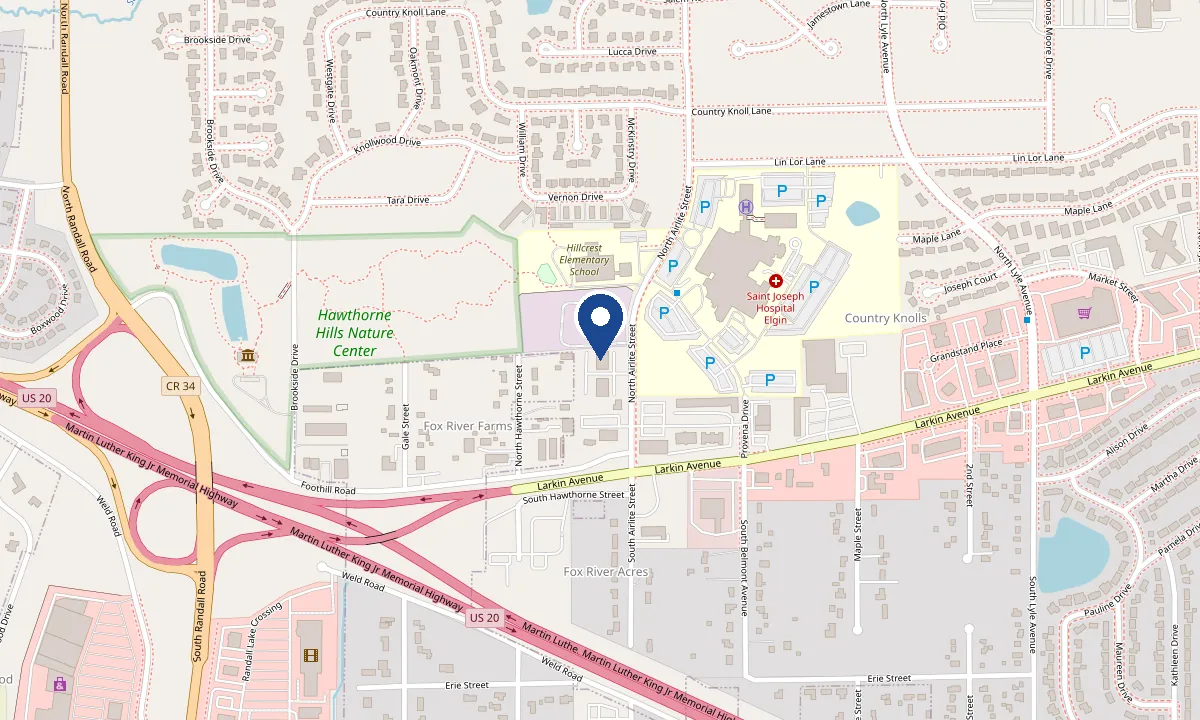
If you are ready to explore your tooth replacement options, the team at Airlite Dental can help you determine the best treatment plan for your specific needs. Do not let a gap in your smile hold you back any longer. Book an appointment today to start your journey toward a healthier, more confident smile.
This article is for general information and is not a substitute for advice from your dentist. Request an appointment or call (847) 214-1324.