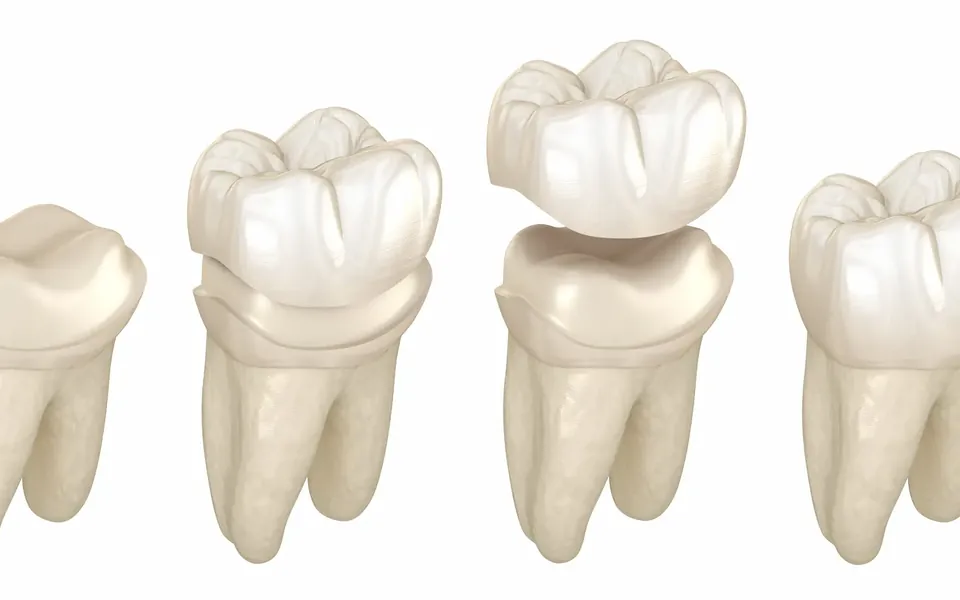
A tooth that is cracked, severely decayed, or weakened needs more than a simple filling. To save the tooth and restore its strength, shape, and appearance, dentists often turn to a reliable and durable solution: the dental crown. A dental crown acts like a protective helmet, covering the entire visible portion of a tooth. At Airlite Dental, we provide custom-crafted dental crowns for patients in Elgin, IL, to bring damaged teeth back to full health and function.
This blog will cover what dental crowns are, the situations where they are needed, the different materials available, and what to expect during the procedure.
What is a Dental Crown?
A dental crown is a custom-fitted “cap” that is placed over a tooth. Its purpose is to completely encase the tooth down to the gum line, restoring its original size, shape, strength, and appearance. Once cemented into place, a crown becomes the tooth’s new outer surface, protecting the weakened structure underneath from further damage.
Think of it as a way to give a compromised tooth a second chance. Instead of resorting to an extraction, a crown allows you to keep your natural tooth root, which is vital for maintaining jawbone health and the stability of your bite.
When is a Dental Crown Necessary?
Your dentist might recommend a dental crown for several reasons, all related to preserving a tooth that is no longer structurally sound on its own.
- To Protect a Weak Tooth: A tooth with a large filling and not much natural tooth remaining is prone to fracture. A crown holds the tooth together and prevents it from breaking.
- After a Root Canal: Root canal therapy is necessary to save a tooth with an infected pulp. However, the procedure can leave the tooth brittle. A crown is almost always placed on a back tooth after a root canal to protect it from chewing forces.
- To Restore a Broken or Severely Worn Tooth: Teeth that are cracked, chipped, or worn down from grinding (bruxism) can be rebuilt and protected with a crown.
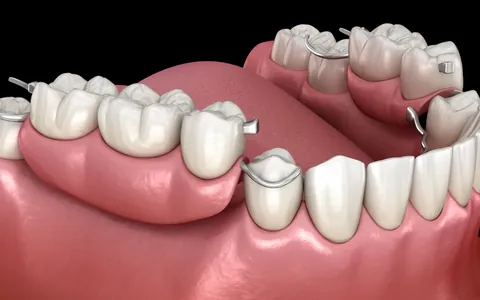
- To Support a Dental Bridge: Crowns are used on the natural teeth on either side of a gap to anchor a dental bridge securely in place.
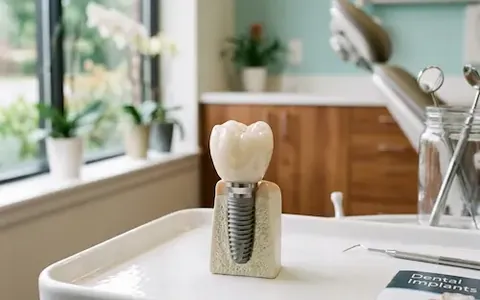
- To Cover a Dental Implant: A crown is the final component of a dental implant, providing a natural-looking and functional replacement tooth.
- For Cosmetic Enhancement: Crowns can be used to cover a tooth that is severely discolored or misshapen, dramatically improving its appearance.
Materials Used for Dental Crowns
Dental crowns can be made from several different materials. The choice depends on the location of the tooth, the patient’s aesthetic preferences, and functional needs.
1. All-Porcelain or All-Ceramic
These crowns provide the best and most natural-looking aesthetic. They can be color-matched precisely to your surrounding teeth, making them an excellent choice for front teeth. Modern ceramics are also very strong and durable, suitable for many areas of the mouth.
2. Porcelain-Fused-to-Metal (PFM)
PFM crowns have a metal substructure for strength and a porcelain layer on the outside for a tooth-like appearance. They are very durable and have been a reliable choice for decades. While they offer a good cosmetic result, a dark line of metal can sometimes become visible at the gum line over time.
3. Zirconia
Zirconia is an extremely strong type of ceramic that is highly resistant to chipping and wear. It can be milled from a solid block and offers excellent strength, making it a great choice for molars that endure heavy chewing forces. It can also be layered with porcelain for a more natural look.
4. Metal Alloys
Crowns made from gold, platinum, or base-metal alloys are incredibly strong and rarely chip or break. They require the least amount of healthy tooth removal. Because of their metallic color, they are typically used for out-of-sight molars.
The Dental Crown Procedure: A Two-Visit Process
Getting a dental crown at Airlite Dental is a precise process that typically takes two appointments. We focus on your comfort and ensuring a perfect fit.
First Visit: Tooth Preparation and Impression
- Examination and Numbing: We start by examining the tooth and taking X-rays. Then, we apply a local anesthetic to numb the tooth and the surrounding gum tissue.
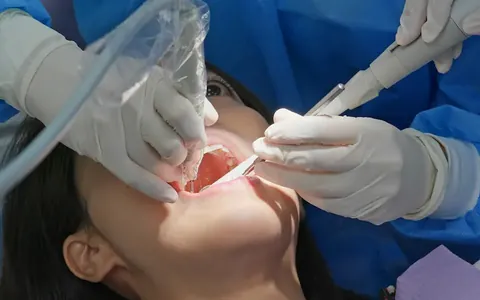
- Reshaping the Tooth: The dentist will carefully file down the tooth’s chewing surface and sides to create space for the crown. The amount of tooth removed depends on the type of crown being used.
- Taking an Impression: An impression of the prepared tooth and the surrounding teeth is taken. This mold is sent to a specialized dental lab where technicians will fabricate your permanent crown. This process ensures the crown will fit perfectly and your bite will be correct.
- Placing a Temporary Crown: A temporary crown made of acrylic is placed over the prepared tooth. This protects the tooth and allows you to chew normally while you wait for your permanent crown to be made, which usually takes about two weeks.
Second Visit: Placing the Permanent Crown
- Removing the Temporary Crown: At your second appointment, we will remove the temporary crown and clean the tooth.
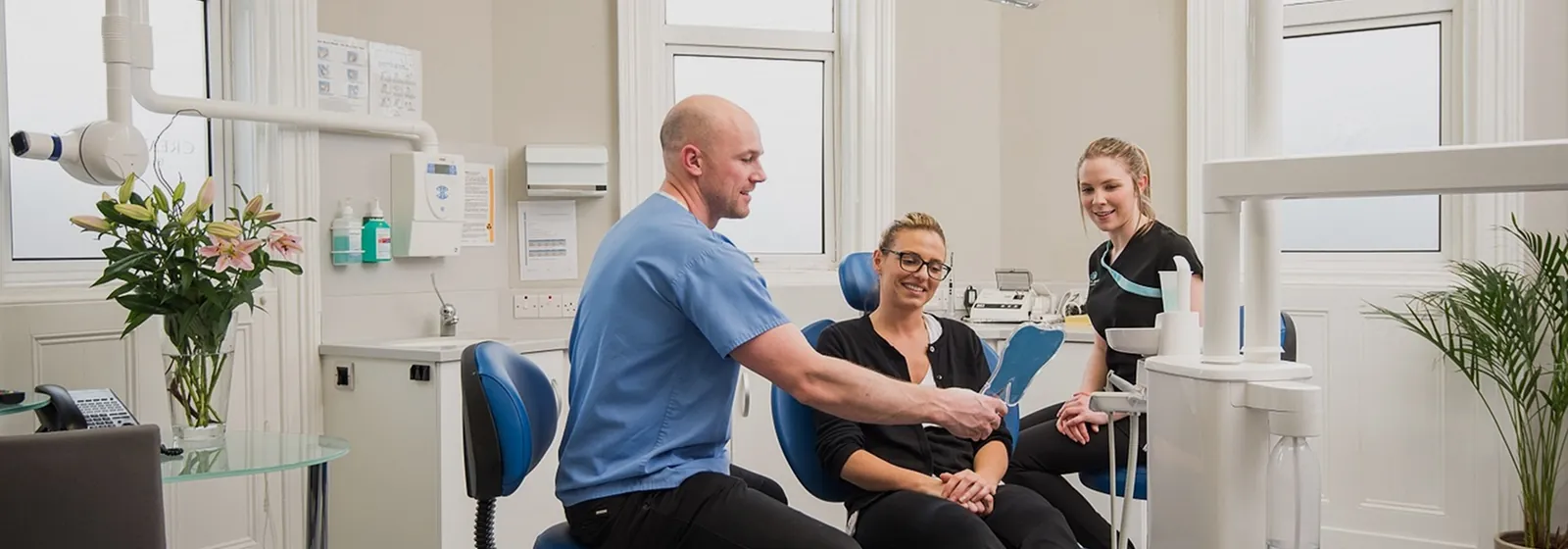
- Fitting the Permanent Crown: The dentist will place the new permanent crown on your tooth to check its fit, color, and your bite. Several adjustments may be made to ensure it feels comfortable and natural.
- Cementing the Crown: Once you and the dentist are happy with the fit, the crown is permanently cemented into place using a strong dental adhesive.
Caring for Your New Dental Crown
With proper care, a dental crown can last for 15 years or even longer. While the crown itself cannot decay, the underlying tooth is still vulnerable to cavities at the gum line.
- Maintain Excellent Oral Hygiene: Brush twice a day and floss daily. It is especially important to clean around the gum line where the crown meets the tooth.
- Attend Regular Cleanings: Professional checkups and cleanings allow us to monitor the health of your crown and the underlying tooth.
- Avoid Hard and Sticky Foods: While crowns are durable, it’s wise to avoid chewing on ice, hard candy, or very sticky foods that could potentially dislodge or damage the crown.
- Address Teeth Grinding: If you grind or clench your teeth (bruxism), speak to us about getting a custom nightguard to protect your crown and natural teeth from excessive wear.
For more patient-focused information on dental crowns, you can visit trusted sources like the American Dental Association’s MouthHealthy.org.
Strengthen Your Smile at Airlite Dental
A damaged tooth doesn’t have to mean the end of your smile’s health or beauty. With a custom-made dental crown from Airlite Dental, you can protect your tooth, restore its function, and regain your confidence. Our team in Elgin, IL, is dedicated to providing high-quality restorative care tailored to your unique needs.
Is a dental crown the right solution for you? Book an appointment online or call our office today at (847) 214-1324 to schedule a consultation.
This article is for general information and is not a substitute for advice from your dentist. Request an appointment or call (847) 214-1324.