A missing tooth can do more than just create a gap in your smile. It can affect your ability to chew properly, cause adjacent teeth to shift out of place, and impact your confidence. Fortunately, modern dentistry offers reliable solutions to restore both function and aesthetics. One of the most trusted and effective options is a dental bridge. At Airlite Dental, we help patients in Elgin, IL, regain their complete smile with custom-crafted dental bridges.
This post will explore what dental bridges are, the different types available, their benefits, and what you can expect from the procedure.
What Exactly is a Dental Bridge?
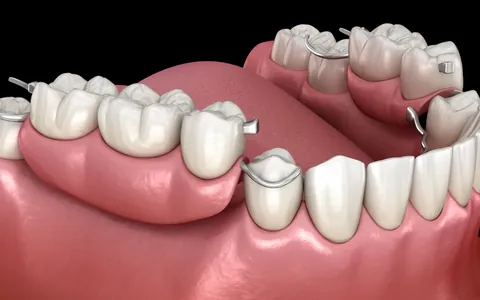
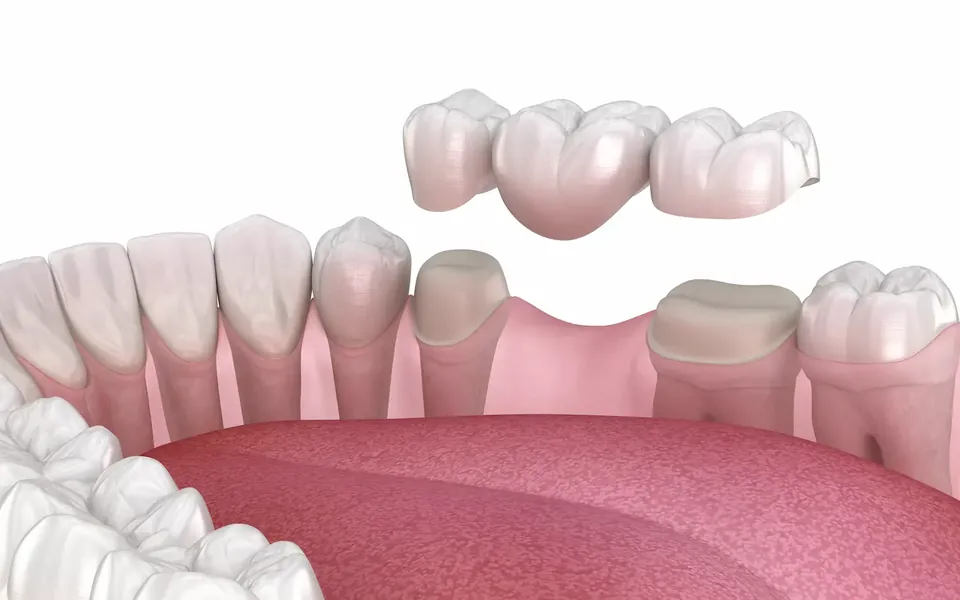
A dental bridge is a custom-made prosthetic designed to “bridge” the gap created by one or more missing teeth. It typically consists of two main components:
- Crowns (Abutments): These are caps placed over the natural teeth on either side of the gap. These teeth, called abutment teeth, serve as anchors for the bridge.
- Pontic(s): This is the artificial tooth (or teeth) that fills the empty space. The pontic is attached to the crowns, creating a single, solid restoration.
By anchoring to healthy teeth, a bridge provides a stable and non-removable solution for tooth replacement, restoring the look, feel, and function of a natural smile.
The Benefits of Choosing a Dental Bridge
Dental bridges offer a host of advantages for individuals looking to replace missing teeth. They are a time-tested solution that addresses both functional and cosmetic concerns.
- Restores Your Smile’s Appearance: A bridge fills the visible gap left by a missing tooth, giving you a complete and natural-looking smile.
- Improves Chewing and Speaking: Missing teeth can make it difficult to chew certain foods and can affect your speech. A bridge restores your ability to eat and speak with comfort and clarity.
- Maintains Facial Structure: Gaps in your smile can lead to bone loss in the jaw, which may cause your facial features to appear sunken over time. A bridge helps support your lips and cheeks, maintaining a more youthful facial shape.
- Prevents Teeth from Shifting: When a tooth is lost, the neighboring teeth naturally begin to drift into the empty space. This can lead to bite problems, crooked teeth, and other orthodontic issues. A bridge holds the space open, keeping your existing teeth in their proper positions.
- Provides a Durable, Fixed Solution: Unlike partial dentures, a dental bridge is permanently cemented in place. You won’t have to worry about it slipping or needing to be removed for cleaning.
Types of Dental Bridges Available
There are several types of dental bridges, and the best one for you will depend on the location of the missing tooth and the health of your surrounding teeth.
1. Traditional Dental Bridge
This is the most common type of dental bridge. It involves creating a dental crown for the tooth on each side of the gap, with a pontic (or pontics) in between. Traditional bridges are typically made of porcelain fused to metal or all-ceramic materials, making them strong and aesthetically pleasing. They are an excellent option when you have healthy, natural teeth on both sides of the missing tooth space.
2. Cantilever Bridge
A cantilever bridge is used when there is only one adjacent natural tooth available to support the bridge. In this design, the pontic is attached to just one abutment crown. Because all the chewing pressure is placed on a single tooth, this type of bridge is not as common and is typically reserved for areas of the mouth with less chewing stress.
3. Maryland Bridge
Also known as a resin-bonded bridge, a Maryland bridge offers a more conservative approach. Instead of using crowns, it has a metal or porcelain framework with “wings” that are bonded to the back of the adjacent teeth. This method preserves more of the natural tooth structure of the abutment teeth. Maryland bridges are most often used for replacing front teeth, as they are not strong enough to withstand the chewing forces on molars.
The Dental Bridge Procedure at Airlite Dental
Getting a dental bridge is a multi-step process that usually requires two visits to our Elgin office. Our team ensures you are comfortable and informed at every stage.
Visit 1: Preparation and Impressions
- Preparing the Abutment Teeth: We begin by administering a local anesthetic to numb the area. Then, the dentist will carefully reshape the abutment teeth to make room for the crowns that will anchor the bridge.
- Taking Impressions: Once the teeth are prepared, we take precise impressions of the area. These impressions are sent to a dental laboratory, where your custom bridge, pontic, and crowns will be crafted to fit perfectly.
- Placing a Temporary Bridge: To protect the prepared teeth and gums, we will place a temporary bridge for you to wear while your permanent restoration is being made.
Visit 2: Placing Your Permanent Bridge
- Fitting and Adjustment: Once your custom bridge is ready, you will return for your second appointment. We will remove the temporary bridge and place the new, permanent one. The dentist will check the fit and your bite, making any necessary adjustments to ensure it is comfortable and functions correctly.
- Cementing the Bridge: After confirming a perfect fit, the bridge is permanently cemented into place. The result is a strong, stable, and beautiful restoration that completes your smile.
How to Care for Your Dental Bridge
With proper care, a dental bridge can last for many years. Good oral hygiene is essential to keep the underlying abutment teeth healthy and strong.
- Brush and Floss Diligently: Brush your teeth twice a day and be sure to clean your bridge thoroughly. It’s crucial to floss underneath the pontic to remove plaque and food debris. We can show you how to use a floss threader or special interdental brush to make this easier.
- Schedule Regular Cleanings: Professional cleanings are vital for maintaining the health of your bridge and natural teeth. Our hygienists can clean areas you might miss at home.
- Eat a Balanced Diet: A healthy diet low in sugary and acidic foods helps prevent decay in the abutment teeth that support your bridge.
Dental Bridges vs. Dental Implants
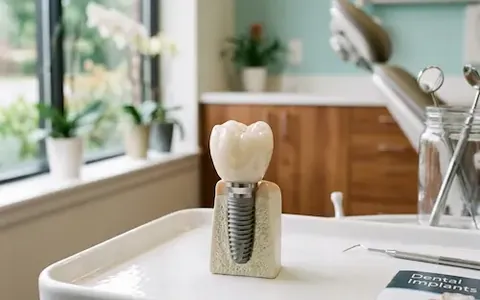
When considering tooth replacement, patients often ask about the difference between a dental bridge and a dental implant. While a bridge is an excellent choice, a dental implant is another popular option. A dental implant restoration involves surgically placing a titanium post into the jawbone to act as an artificial tooth root, with a crown placed on top.
An implant does not rely on adjacent teeth for support and helps preserve jawbone density. However, bridges are often a faster and less invasive procedure. During your consultation, we will discuss the pros and cons of each option and help you decide which is best for your health, budget, and goals. For more in-depth patient information, resources like the American Dental Association’s MouthHealthy site are very helpful.
Complete Your Smile at Airlite Dental
A missing tooth doesn’t have to be a permanent part of your smile. With a custom-made dental bridge from Airlite Dental, you can restore your confidence and enjoy the full function of a healthy mouth. Our team is dedicated to providing high-quality, personalized solutions for patients in Elgin, IL.
Ready to bridge the gap in your smile? Book an appointment online or call our office today at (847) 214-1324 to schedule your consultation.
This article is for general information and is not a substitute for advice from your dentist. Request an appointment or call (847) 214-1324.