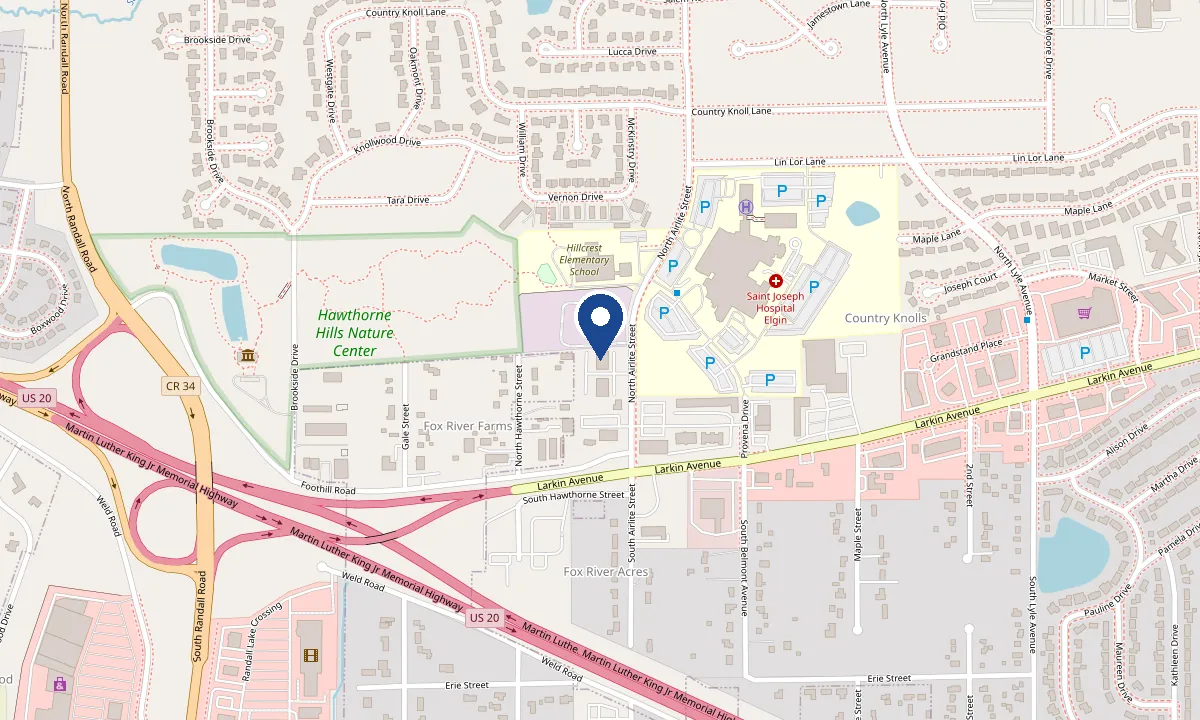
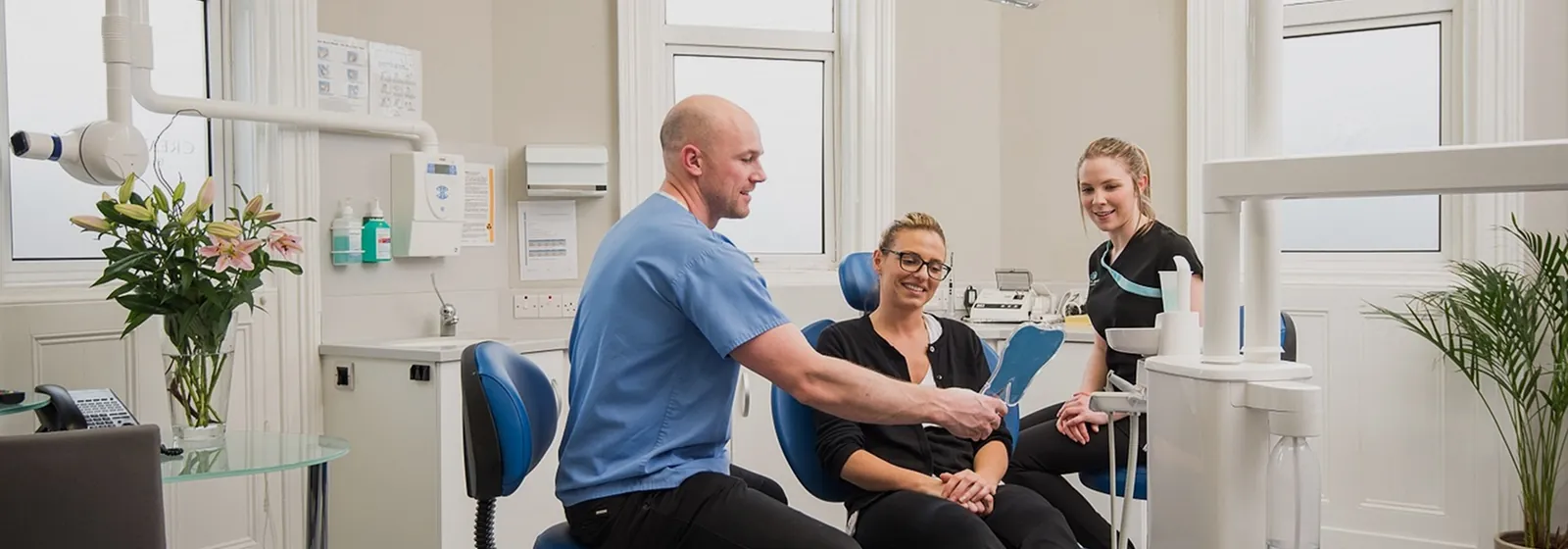
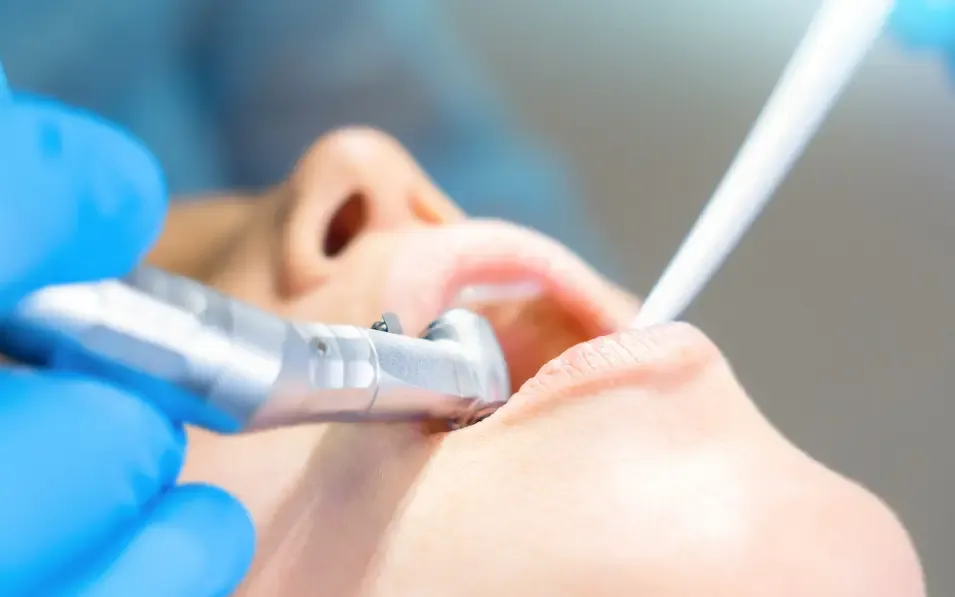
The thought of having a tooth removed can be intimidating, but a dental extraction is a common procedure designed to protect your long-term oral health. While dentists always prioritize saving a natural tooth, there are times when removing one is the best or only option. At Airlite Dental, our team in Elgin, IL, performs gentle and professional tooth extractions with a focus on patient comfort and a smooth recovery.
This guide explains why a dental extraction might be necessary, what to expect during the procedure, and how to care for yourself afterward to ensure proper healing.
Why Would I Need a Dental Extraction?
A dental extraction is recommended when a tooth is too damaged to be saved or when its presence poses a risk to your other teeth and overall oral health. Common reasons for extraction include:
- Severe Tooth Decay: If a cavity has destroyed so much of the tooth structure that it cannot be restored with a filling or a dental crown, extraction may be the only solution.
- Advanced Gum Disease (Periodontitis): Severe gum disease can destroy the bone and ligaments that support a tooth. If the tooth becomes excessively loose, it may need to be removed to prevent further infection and bone loss.
- Irreparable Damage from Trauma: A tooth that has been severely cracked or fractured in an accident, especially below the gum line, may not be salvageable. In these cases, it often requires emergency dental care.
- Impacted Wisdom Teeth: Wisdom teeth (third molars) often do not have enough room to erupt properly. They can become impacted, growing in at an angle or remaining trapped in the jawbone. This can cause pain, infection, and damage to adjacent teeth, making extraction necessary.
- Crowding for Orthodontic Treatment: Sometimes, teeth are removed to create space in the mouth for orthodontic treatment. By extracting one or more teeth, an orthodontist can properly align the remaining teeth for a healthier bite.
- Risk of Infection: For individuals with a compromised immune system (such as those undergoing chemotherapy or an organ transplant), even the risk of infection from a problematic tooth can be a serious concern, warranting its removal.
The Dental Extraction Process: What to Expect
We understand that patients may feel anxious about this procedure, which is why we take every step to ensure you are comfortable and informed. There are two main types of extractions: simple and surgical.
Simple Extraction
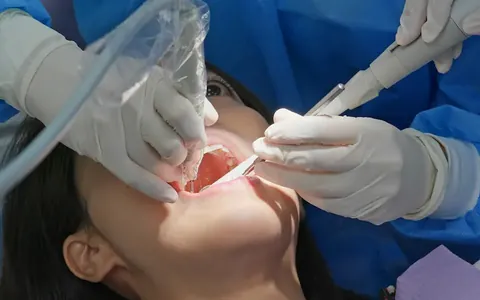
A simple extraction is performed on a tooth that is fully visible in the mouth.
- Numbing: The process begins with a local anesthetic to completely numb the tooth, jawbone, and surrounding gums. You will be awake for the procedure but will not feel any pain, only a sense of pressure.
- Loosening the Tooth: The dentist will use a special instrument called an elevator to gently rock the tooth back and forth, loosening it from the jawbone and breaking the periodontal ligament that holds it in place.
- Removing the Tooth: Once the tooth is loose enough, the dentist will use dental forceps to remove it from the socket.
Surgical Extraction
A surgical extraction is required when a tooth has not fully erupted or has broken off at the gum line.
- Anesthesia: As with a simple extraction, you will receive a local anesthetic.
- Creating an Incision: The dentist or oral surgeon will make a small incision in your gum tissue to gain access to the impacted or broken tooth.
- Removing Bone or Sectioning the Tooth: Sometimes, it may be necessary to remove a small amount of bone that is blocking the tooth. In other cases, the tooth might be cut into smaller pieces to make it easier to remove.
- Removing the Tooth: The pieces of the tooth are then removed from the socket.
- Stitches: The incision may be closed with a few stitches, which will either dissolve on their own or be removed at a follow-up appointment.
Aftercare: Tips for a Smooth Recovery
Proper aftercare is crucial for a fast and comfortable healing process. Following these instructions will help prevent complications like a dry socket, a painful condition where the post-surgical blood clot is dislodged.
- Control Bleeding: Bite down gently but firmly on the gauze pad placed over the extraction site for 30-60 minutes after the procedure. If bleeding continues, replace the gauze and continue to apply pressure.
- Manage Pain: Take any prescribed pain medication as directed. Over-the-counter pain relievers like ibuprofen can also be effective.
- Reduce Swelling: Apply an ice pack to the cheek near the extraction site for 10-20 minutes at a time during the first 24 hours. This will help minimize swelling and bruising.
- Rest: Plan to rest for at least 24 hours after your extraction. Limit strenuous activity for a few days, as this can increase bleeding and discomfort.
- Don’t Disturb the Clot: For the first 24-48 hours, avoid rinsing your mouth vigorously, drinking through a straw, spitting, or smoking. These actions can dislodge the blood clot that is essential for healing.
- Eat Soft Foods: Stick to a diet of soft foods like yogurt, soup, mashed potatoes, and smoothies for the first few days. Gradually reintroduce solid foods as you feel more comfortable.
- Keep Your Mouth Clean: After 24 hours, you can begin to gently rinse your mouth with a warm saltwater solution (1/2 teaspoon of salt in 8 ounces of water) a few times a day, especially after eating. Continue to brush and floss your other teeth, but avoid the extraction site.
Replacing Your Missing Tooth
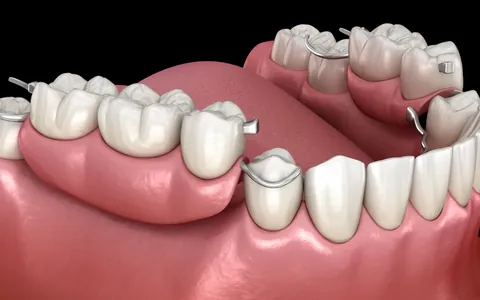
After a tooth is extracted, it is important to consider your options for replacing it. Leaving a gap can cause the remaining teeth to shift, leading to bite problems and other issues. At Airlite Dental, we offer several excellent replacement solutions:
- Dental Bridges: A bridge uses the adjacent teeth as anchors to hold an artificial tooth in place.
- Partials: A removable partial denture can replace one or more missing teeth.
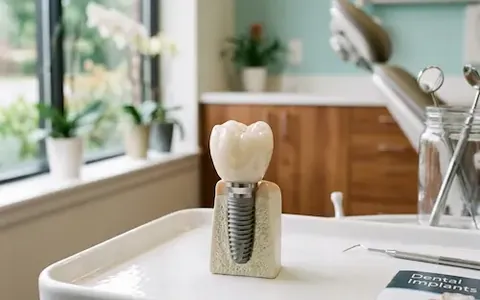
- Implant Restorations: A dental implant is the gold standard for tooth replacement. It involves placing an artificial root into the jawbone, which provides a strong foundation for a new crown.
For additional information on dental extractions and aftercare, the American Dental Association (ADA) provides trusted patient resources.
Gentle Dental Extraction Services in Elgin, IL
At Airlite Dental, your health and comfort are our top priorities. If you have a problematic tooth, we will perform a thorough examination to determine if an extraction is the best course of action. Our compassionate team will guide you through every step of the process, from the initial consultation to your post-procedure recovery.
If you are experiencing tooth pain or have been told you may need an extraction, contact us today. Book an appointment online or call our Elgin office at (847) 214-1324.
This article is for general information and is not a substitute for advice from your dentist. Request an appointment or call (847) 214-1324.